Groovy Hug: A Retro Display Font for Modern Web Design
Embracing Vintage Charm in Digital Typography
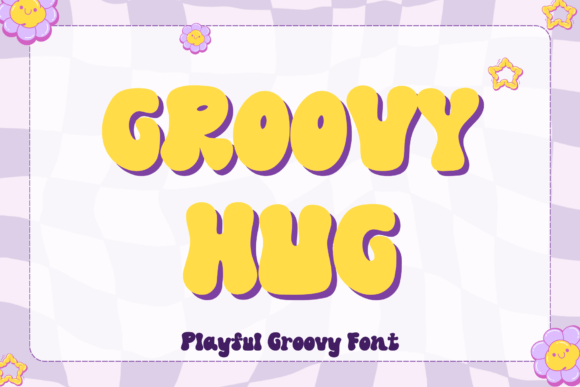
Groovy Hug is a standout display font that brings a nostalgic, whimsical energy to modern web design. As a web designer, I’ve found that this typeface works exceptionally well when you want to inject personality without sacrificing clarity. Its bold, expressive letterforms carry a retro aura that feels both playful and intentional—perfect for digital projects that aim to stand out while maintaining a cohesive visual language.
How Groovy Hug Elevates Web Design Layouts
When designing for the web, visual hierarchy and readability are top priorities. Groovy Hug shines in high-impact areas like hero headers, landing page titles, and call-to-action buttons. Its strong character spacing and generous x-height make it highly legible even at a glance, which is crucial for guiding user attention and encouraging engagement.
- Use in hero sections to create memorable first impressions
- Apply in CTA buttons for a bold, inviting tone
- Enhance logo text or brand headers with a vintage twist
- Accentuate digital banners and promotional graphics
Its retro aesthetic makes it ideal for creative portfolios, boutique e-commerce sites, and branding-focused web experiences where tone and personality are as important as function.
Readability and Responsive Design Considerations
Despite its decorative nature, Groovy Hug holds up well across screen sizes. On mobile, I recommend using it sparingly—best reserved for short headlines, logos, or featured text blocks. When overlaying on images or dark backgrounds, ensure sufficient contrast to maintain readability. This font works best when paired with a clean sans serif for body text, creating a balanced contrast between headline flair and functional readability.
Font Pairing Strategies for Digital Projects
One of the strengths of Groovy Hug is how well it pairs with more neutral typefaces. For a modern editorial feel, try combining it with a serif font in headers and a clean sans serif for body copy. For minimalist branding or product landing pages, use Groovy Hug for headlines and a geometric sans serif like Helvetica or Montserrat for supporting text. This contrast enhances visual flow and ensures your message is both engaging and easy to digest.
Use Cases That Showcase Groovy Hug’s Strengths
In my experience, Groovy Hug performs exceptionally well in the following digital contexts:
- Creative portfolios: Use for project titles and section headers to add a handcrafted, expressive tone.
- Boutique online stores: Apply in logo design and product banners to communicate a warm, curated brand identity.
- Coaching and course sales pages: Enhance testimonials or key benefits with a friendly, approachable aesthetic.
- Blog headers and social media graphics: Add visual interest to featured content without overwhelming the layout.
- Brand kits and digital assets: Incorporate in branded templates for a consistent, recognizable tone across platforms.
Practical Tips for Using Groovy Hug on the Web
When implementing Groovy Hug into a live website or digital product, consider the following:
- Check the included styles and weights—Groovy Hug works best in bold or extra-bold weights for digital headers.
- Ensure webfont formats (WOFF, TTF) are available for optimal performance and cross-browser compatibility.
- Use it for short phrases and titles rather than long paragraphs to maintain readability and visual balance.
- Test how it appears on both light and dark backgrounds—adjust letter spacing and color contrast accordingly.
- Consider using it as an SVG or image-based headline on platforms that don’t support custom fonts.
Understanding Licensing for Commercial Web Projects
When choosing a premium font like Groovy Hug for client websites, online stores, or digital templates, always verify the licensing terms. Most display fonts require a commercial license for use in web design, especially if you're embedding them via @font-face or including them in downloadable brand kits. Confirm that the license covers web usage, client projects, and any future adaptations to avoid legal issues down the line.
Final Thoughts: Groovy Hug as a Digital Design Asset
Groovy Hug is more than a decorative typeface—it's a versatile tool for designers aiming to blend retro charm with modern usability. Whether you're designing a landing page, rebranding a digital product, or crafting a boutique online experience, this font delivers both personality and performance. By understanding its strengths and applying it thoughtfully within your layouts, Groovy Hug can become a key part of your design toolkit—elevating brand expression while supporting clear, engaging user experiences.