Boldface: The Playful Display Font That Elevates Small Business Branding
A Fresh Look for Our Bakery Packaging
Recently, I helped a local bakery refresh their packaging. They wanted to stand out on shelves while appealing to young families and gift buyers. We were looking for a font that felt friendly, bold, and easy to read. That’s when I introduced them to Boldface.
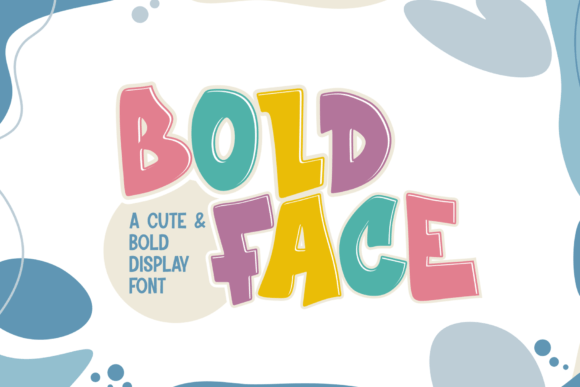
Right away, the bakery owner loved how Boldface looked on sample boxes. Its rounded, chunky characters gave the brand a playful, approachable feel without sacrificing professionalism. It was perfect for the bakery’s new line of kids’ cookie kits and baby shower treats.
What Makes Boldface Unique?
Boldface is a display font designed for impact. It’s not meant for long paragraphs or fine print. Instead, it shines in short bursts—like headlines, brand names, and product titles. Its thick, rounded forms make it instantly recognizable and surprisingly versatile.
What sets Boldface apart is its charm. It walks the line between cute and confident, making it ideal for brands that want to feel fun but still polished. Whether it’s on a bakery box, a candle label, or a boutique tag, this font adds a sense of warmth and personality.
How Boldface Works in Real Business Materials
We tested Boldface across several customer-facing materials:
- Packaging labels for cookie boxes and gift sets
- Instagram story templates for seasonal promotions
- Thank-you cards for custom orders
- Menu boards for in-store displays
In each case, the font performed beautifully. It was especially effective on packaging, where readability and charm are both essential. Customers commented that the new look felt “more professional” and “cuter” than before—exactly the balance the bakery wanted.
When to Use Boldface (and When Not To)
Boldface works best for short text that needs to grab attention. Think:
- Logos for kids’ brands, bakeries, or playful lifestyle shops
- Product names on packaging and tags
- Headlines in social media graphics and digital ads
- Titles on stickers, cards, and printed materials
It’s not ideal for long-form content or small print. The font’s thick, rounded style can make it hard to read at tiny sizes or on mobile screens if used for body text. But as a display font, it’s a top performer.
Font Pairing Tips for a Balanced Look
To keep the brand from looking too cutesy, we paired Boldface with a clean sans serif for secondary text. This contrast helped the bakery feel both fun and trustworthy. Here are some pairing ideas:
- Boldface + Helvetica Neue: Clean and modern
- Boldface + Playfair Display: Elegant and playful
- Boldface + Pacifico: Handwritten and whimsical
The key is to let Boldface take center stage while using simpler fonts for supporting text. This creates a visual hierarchy that guides the eye and makes the brand feel more intentional.
Practical Tips for Using Boldface in Your Branding
If you’re considering Boldface for your small business, here are a few things to keep in mind:
- Check the font’s file formats to ensure it works in your design tools (like Canva, Illustrator, or Photoshop)
- Look for alternates and ligatures to add stylistic flair
- Verify commercial font licensing if you plan to use it on products, packaging, or client work
- Test it at different sizes—especially for small labels or mobile graphics
Also, consider how it will appear in both print and digital formats. We found that Boldface looked best when used at medium to large sizes, with plenty of white space around it to breathe.
Why Typography Matters for Small Business Branding
Typography is more than just choosing a pretty font. It affects how your brand is perceived at a glance. The right typeface can make your business look more:
- Professional – Clean, consistent fonts signal attention to detail
- Trustworthy – Readable fonts help customers feel confident in your brand
- Memorable – Unique fonts like Boldface help your brand stand out
- Approachable – Rounded, friendly fonts create an emotional connection
Using a consistent font like Boldface across all your materials—whether it’s packaging, social media, or thank-you cards—creates a unified brand experience. That consistency builds recognition and trust over time.